Common blocked drains problems
- ✓ Fat, grease and food scraps
- ✓ Wet wipes and other flushed items
- ✓ Hair and soap in bath and basin pipes
- ✓ Debris in outside gullies and pipes
- ✓ Private drainage such as septic tanks

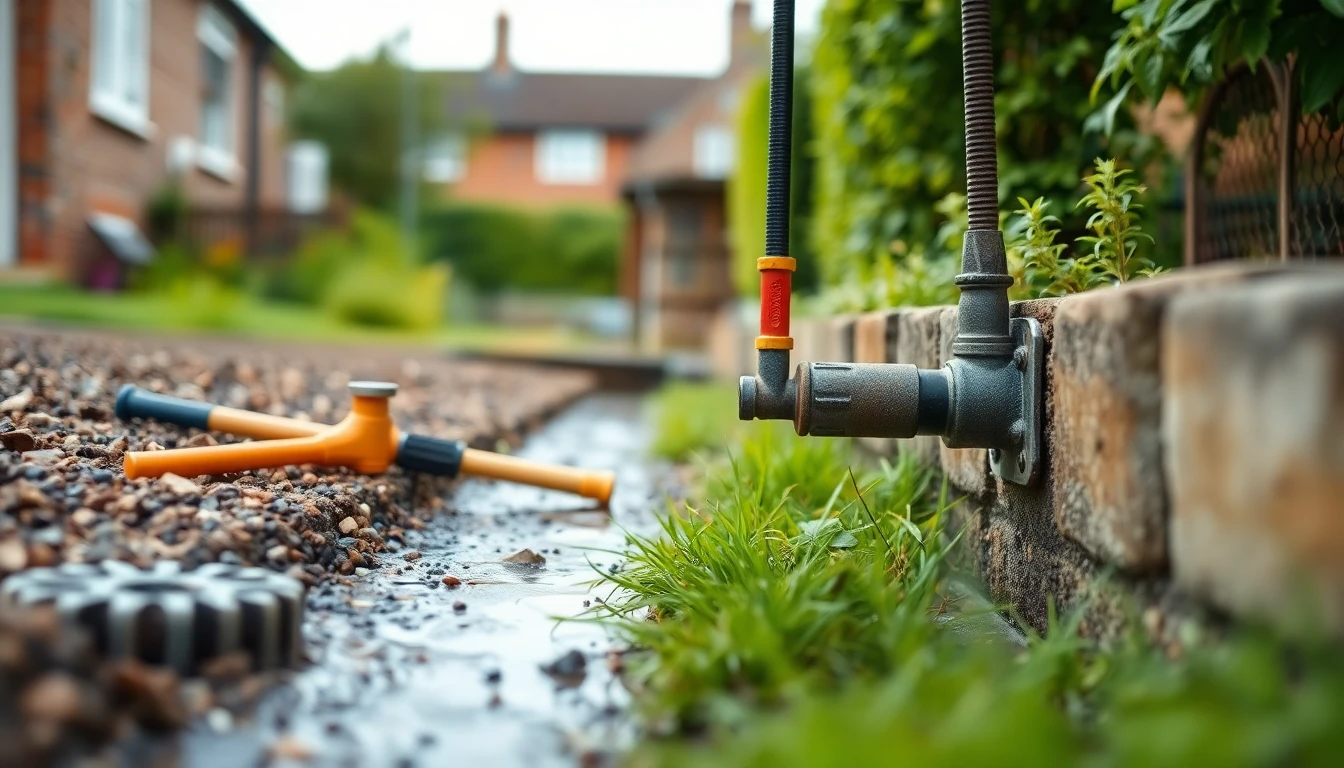
A blocked drain stops waste water leaving your home. Water then backs up in the sink, bath or toilet because it has nowhere to go. A plumber finds where the blockage sits before choosing a clearing method, since the right tool depends on the cause.
Kelvedon is a village on the River Blackwater between Colchester and Witham. It lies on the old Roman road from London to Colchester. Because of those Roman roots, the underground services can be complex.
Slow draining is the usual first warning. Gurgling pipes, bad smells and water that rises in a second fixture tend to follow. If only one sink is slow, the blockage is probably in that branch. However, if several fixtures struggle at once, the fault is likely in the main run.
Older cottages may have clay pipes that need regular care. However, newer homes often use plastic. If water backs up only in wet weather, the nearby River Blackwater may play a part.
Homes near a river may notice slower drains when water levels are high. Older cottages may have clay pipes, while newer homes often use plastic. Some rural homes may rely on septic tanks or package treatment plants.
For the method in full, read our guide to blocked drains. Wider background sits on the Kelvedon drainage page, while the Colchester drainage page covers the main town. You may also want drain unblocking in Kelvedon.
First work out whether you have mains drainage or a septic tank, since the fix differs. If neighbours on mains also struggle, the sewer may be at fault.
Not always, because some rural properties can rely on private drainage such as septic tanks and package treatment plants. Say which type you have when you make your enquiry.