Common drain jetting problems
- ✓ Heavy grease in kitchen lines
- ✓ Scale on older pipe walls
- ✓ Silt and compacted debris
- ✓ Root fragments left after cutting
- ✓ Tree roots near older pipes

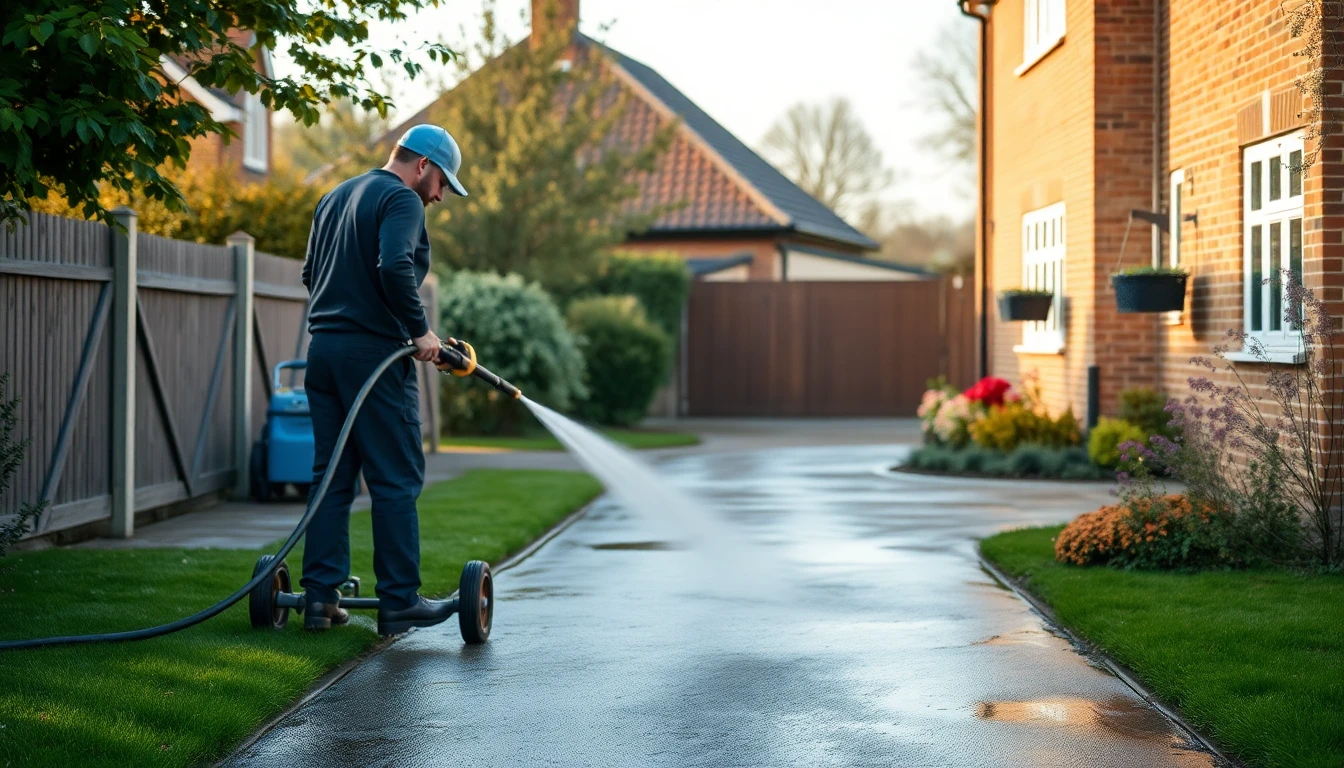
Drain jetting uses a high-pressure water stream to scour the inside of a pipe, while a rotating nozzle breaks up grease, scale and silt, then flushes it towards the sewer. It cleans the whole pipe wall, not just a hole through the blockage.
Tiptree is a large village south-west of Colchester, best known for Wilkin and Sons, the jam makers. Farmland surrounds it. Where trees and hedges grow near a drain, roots may find their way in.
Jetting suits repeat blockages and greasy kitchen lines. It also helps where scale narrows older pipes. However, the plumber sets the pressure to match the pipe, because weak or damaged pipes need a gentler approach. A short camera check shows which approach fits.
Clay pipes need a lower pressure than modern plastic, so a camera check tells the plumber which is which. Properties on the edge of the village with long garden runs may gain most from a full clean. Ask the plumber how soon a Tiptree line with roots may need another clean.
Homes of different ages use different pipe materials. Older pipes can crack or shift at the joints, which lets roots in. Newer plastic pipes can have faults too, so the plumber checks the material first. A camera survey shows what lies below ground.
Use the Tiptree drainage guide for wider context, while the drain jetting guide sets out the method. Since many jobs start with one fault and reveal another, emergency drain services in Tiptree is a useful next read. The Colchester drainage guide covers the main town.
Jetting is safe when the pressure suits the pipe, which matters because clay is weaker than plastic. A camera check first shows which you have.
Roots can grow into small cracks and joints in a pipe, then thicken and cause blockages. A CCTV survey can show whether roots are the cause, so it is a sensible first step.