Common drain jetting problems
- ✓ Heavy grease in kitchen lines
- ✓ Scale on older pipe walls
- ✓ Silt and compacted debris
- ✓ Root fragments left after cutting
- ✓ Tide tables and visit timing

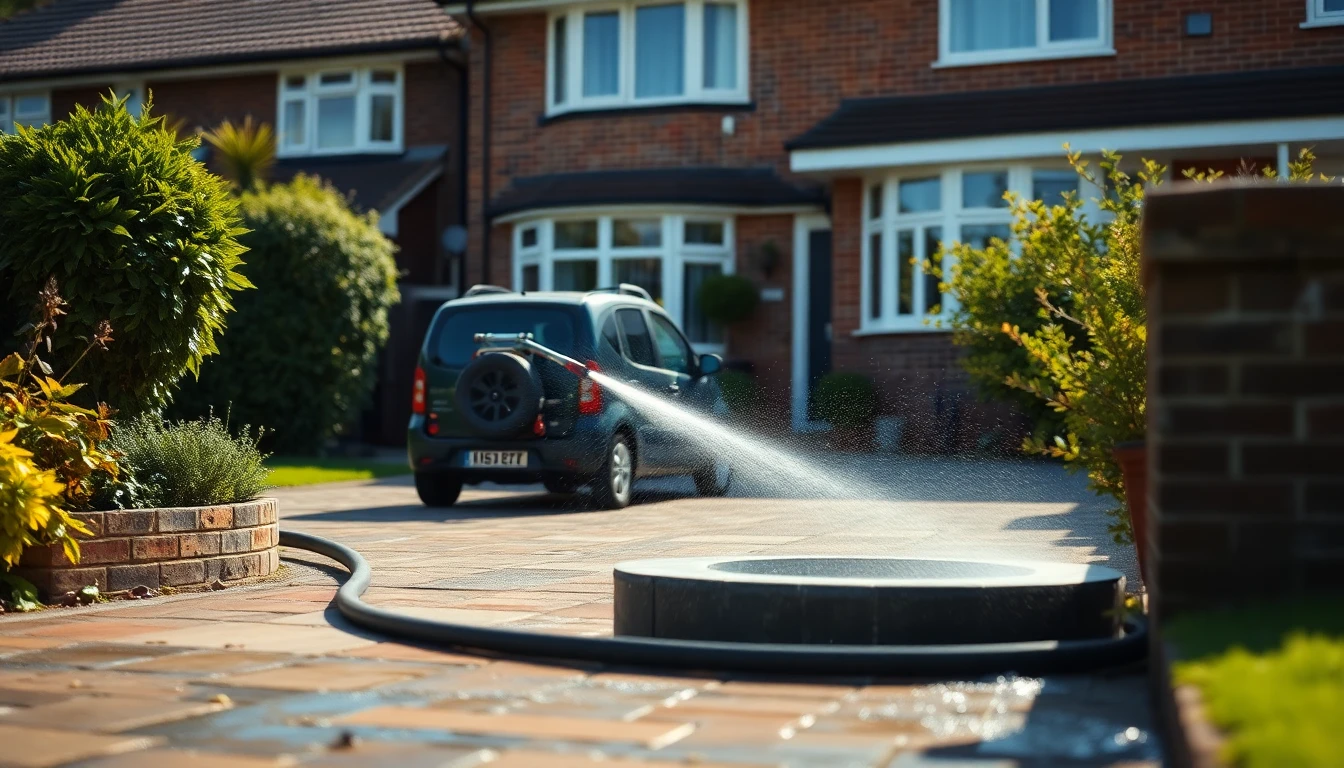
Drain jetting uses a high-pressure water stream to scour the inside of a pipe, while a rotating nozzle breaks up grease, scale and silt, then flushes it towards the sewer. It cleans the whole pipe wall, not just a hole through the blockage.
West Mersea sits on Mersea Island in the Blackwater Estuary, and the Strood causeway links it to the mainland. The causeway floods at some high tides. Drainage close to the shore can change with the tide.
Jetting suits repeat blockages and greasy kitchen lines. It also helps where scale narrows older pipes. However, the plumber sets the pressure to match the pipe, because weak or damaged pipes need a gentler approach. A short camera check shows which approach fits.
Pipes near the seafront may sit in wet ground, so the plumber checks them carefully before jetting. A camera look first shows whether older joints can take the pressure. Visits around The Strood may need planning with the tide. Ask the plumber how often a seaside kitchen line may need another visit.
On flat ground, surface water and groundwater can matter for drains, especially near the seafront. Older drains may pre-date modern standards, so the plumber checks them first. We cover the church and High Street area, the seafront and the outskirts.
Read about drain jetting in detail, or look at the West Mersea drainage hub for local background. The Colchester drainage hub shows how the same service works in the main town. Although each fault differs, emergency drain services in West Mersea often follows.
It can be safe, because the plumber sets the pressure to match each pipe. Older drains laid before modern standards get a camera check first.
The Strood floods at some high tides, so visits may need to fit around tide tables. Mention any urgency in your enquiry, because the tide may affect timing.